
Guide
Medical Certificate vs Statutory Declaration, What's the Difference?
25 Sept 2026
Often, yes. Here's how modified duties for sciatica can differ by job, from desk work to driving to manual roles, and what a certificate should say about it.
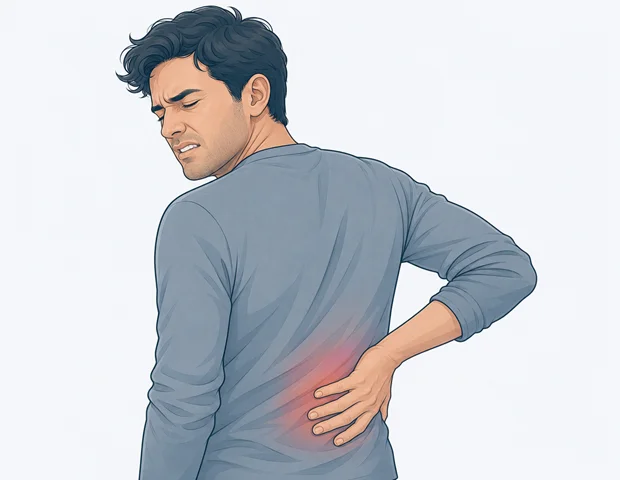
Depending on your role, modified duties for sciatica could mean avoiding heavy lifting, taking more frequent breaks from sitting or standing, or temporarily switching to lighter physical tasks. The GP tailors the certificate to your specific job demands where possible, rather than defaulting to a blanket day off.
A restrictions-based certificate is more useful when it identifies the work task that is temporarily limited. Sciatica can affect different jobs in very different ways. Prolonged sitting may be the main problem for an office worker or driver, while lifting, bending, twisting or prolonged standing may matter more in a physical role. The GP can assess these restrictions against the duties you actually perform rather than applying the same recommendation to every job.
For desk-based roles, prolonged sitting may aggravate leg or lower-back symptoms even when the person can otherwise work. Temporary sit-stand changes, shorter sitting blocks and regular movement breaks may be more practical than complete absence from work.
Healthdirect's sciatica guidance notes that symptoms can include pain, numbness, tingling or weakness affecting the lower back and leg, so the functional impact can vary considerably between people.
Long periods behind the wheel can be difficult when sitting increases sciatic pain or leg symptoms. For commercial drivers and other safety-sensitive roles, the assessment also needs to consider whether pain, weakness or restricted movement could interfere with safe vehicle control, concentration or the person's ability to tolerate the required driving period.
For warehouse, construction, and other manual roles, lifting, bending, pushing, pulling, and twisting may be the main restrictions, even when the person can still walk.
Safe Work Australia identifies lifting, pushing, and pulling as manual-task hazards that can strain the body. A certificate may therefore be more useful when it specifies temporary restrictions on particular physical duties rather than simply stating that the worker has sciatica.
For more detailed workplace guidance, Safe Work Australia's Model Code of Practice for Hazardous Manual Tasks explains how to identify and manage hazardous manual tasks.
In healthcare, retail, hospitality and similar roles, prolonged standing and walking may be the main limitation rather than heavy lifting. A person may still be capable of some duties but need shorter standing periods, seated tasks, reduced walking or temporary reassignment away from duties that repeatedly aggravate symptoms.
Where modified duties aren't reasonably available, and the person's symptoms prevent them from performing their normal role safely, the GP may instead consider a period of full leave. The Fair Work Ombudsman explains the evidence requirements that can apply when an employee takes paid sick leave.
This modified-duties pathway sits under our fitness for work certificate, distinct from a general sick leave certificate. For a broader look at sciatica and work capacity, visit sciatica and work capacity, and Healthdirect's overview of sciatica for general causes and self-care.
OMC Health provides real-time consultations with AHPRA-registered GPs, 7 days a week. If the GP determines a certificate is clinically appropriate, it's emailed the same day from 12.99.
Yes, it's common for sciatica to recur, particularly with prolonged sitting or heavy lifting. Ongoing or recurrent episodes are best reviewed by your regular GP, who can consider physiotherapy or further investigation if needed.
Side-sleeping with a pillow between your knees, or back-sleeping with a pillow under your knees, tends to reduce strain on the lower back for most people.
Yes, sciatica is commonly assessed under fitness for work certification when the concern relates to physical work capacity rather than general illness.