Guide
Can Sciatica Get You a Certificate for Modified Duties Instead of Full-Time Off?
22 Sept 2026
When rest stops fixing it. Here's the distinction that actually matters, and the daily habits that quietly drive fatigue.
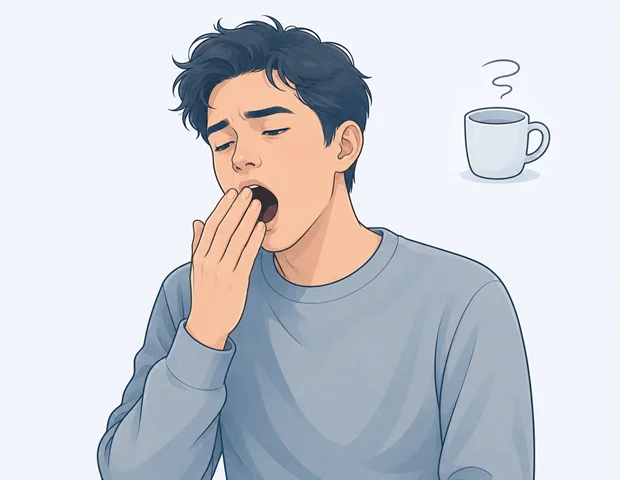
Your GP considers how long the fatigue has lasted, whether rest improves it, and whether it affects your ability to concentrate, react safely, or complete normal duties, rather than simply how tired you feel on a subjective scale.
Fatigue can accompany another illness, poor sleep, stress, or, in some cases, point to an underlying condition that needs further investigation by your regular GP rather than repeat one-off certificates.
A certificate covers an assessed period of acute incapacity due to fatigue. If fatigue persists beyond that period, follow up with your regular GP, particularly if there's no obvious cause.
The most useful dividing line is not a fixed tiredness score. It is whether fatigue impairs concentration, reaction time, physical capacity, or safe performance, especially in work involving driving, machinery, shift work, or responsibility for other people.
Driving, operating equipment and high-risk work lower the threshold for concern because reduced alertness can cause harm.
Fatigue related to rosters and inadequate recovery time may also need a workplace fatigue-control response, not just repeated medical leave.
If rest does not restore function, the guide should direct the reader to investigate the cause rather than offer another list of sleep tips.
Fatigue is one of the most common reasons people see a GP at all, and the distinction the GP draws on your call, whether rest resolves it and whether it's impairing safe function, mirrors the clinical approach described by Healthdirect, which frames persistent, unexplained fatigue as a signal for further investigation rather than a symptom to simply push through. That's also the practical line between this guide and a Chronic Fatigue Syndrome assessment, which covers a specifically diagnosed, longer-term condition rather than a short-term rough patch.
This guide covers general, usually short-term fatigue. For chronic, diagnosed fatigue, see our Chronic Fatigue Syndrome guide instead. For a broader look at fatigue and work capacity generally, see our fatigue and work capacity guide and Healthdirect's overview of fatigue for possible causes.
OMC Health provides real-time consultations with AHPRA-registered GPs, 7 days a week. If the GP determines a certificate is clinically appropriate, it's emailed the same day, from 9.99.
Yes. Even mild dehydration can produce fatigue, poor concentration and headache that feels very similar to poor sleep, which is why ruling out simple causes first is worthwhile before assuming something more significant.
Inconsistent sleep times, late caffeine, heavy screen use before bed, and skipped meals are common, often overlooked contributors worth ruling out before assuming a bigger cause.
The GP assesses your specific presentation. Persistent or unexplained fatigue may warrant referral to your regular GP for further investigation and a possible ME/CFS assessment.