
Guide
How Employers Verify a Telehealth GP Certificate, AHPRA Check and QR Code Guide
25 Sept 2026
Yes, a single severe episode can be enough. Here's what counts as severe, and how to steady yourself in the hours and days after.
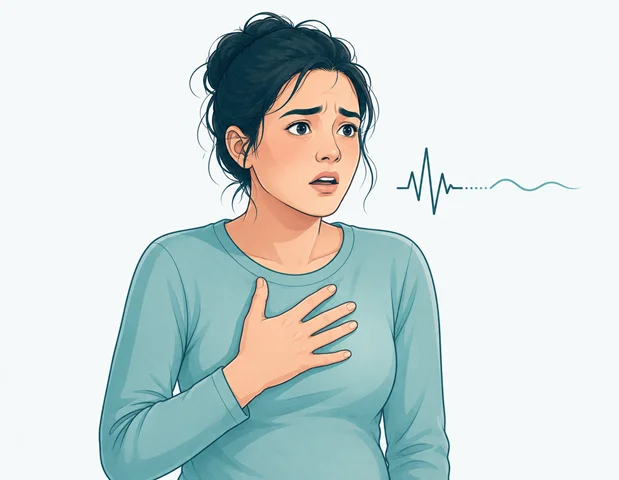
A single severe panic attack can affect work capacity, but the first question is not only whether it feels severe enough for a day off. Chest tightness, shortness of breath and a racing heart can overlap with other medical problems. When a person is genuinely unsure what is happening, urgent assessment can be more important than certification. Once urgent causes are not suspected, the GP can assess whether the episode has left the person unable to work safely for the relevant period.
First episode versus known recurrent panic
A person with an established recurrent pattern and a first unexplained episode may need different assessment.
Work after the acute peak
Driving, public-facing duties and high-responsibility work can remain difficult after the most intense symptoms settle.
Ongoing care
Repeat episodes should lead to a treatment plan rather than repeated certificate-only consultations.
Chest tightness, a racing heart, shortness of breath and a sense of impending doom are common panic attack symptoms, and they overlap closely with symptoms people associate with cardiac events, which is part of why a first panic attack is often so frightening. If you're ever genuinely unsure whether what you're experiencing is a panic attack or something else, especially with chest pain, treat it as a medical emergency and call 000. It's always the safer call.
The exhaustion and jitteriness that follow a panic attack are real and often underestimated; it's common to feel physically drained for the rest of the day. Slower breathing, grounding techniques like naming what you can see, hear and feel around you, and avoiding caffeine or alcohol in the immediate aftermath can help settle the nervous system. Gently returning to normal activity rather than avoiding the situation that triggered it altogether tends to prevent the anxiety from generalising to more situations over time, though working through avoidance patterns is best done with professional support rather than alone.
If panic attacks recur, ongoing management is better suited to your regular GP or a mental health professional, who can investigate underlying anxiety or panic disorder and arrange longer-term support. If you're having thoughts of harming yourself, contact Lifeline on 13 11 14, or in an emergency call 000.
Anxiety is the most common group of mental disorders in Australia. The Australian Bureau of Statistics found that more than one in six Australians aged 16 to 85 had a 12-month anxiety disorder, which is 17.2% or around 3.4 million people. Rates were higher among women, at 21.1% compared with 13.3% of men, and highest among people aged 16 to 24, where 38.8% had experienced a mental disorder in the previous 12 months.
For a broader look at panic attacks and work capacity, see Beyond Blue and Healthdirect's overviews, which are good starting points for ongoing support. Visit the Panic Attack Condition page for more information and a WorkCover Capacity Certificate.
OMC Health provides real-time consultations with AHPRA-registered GPs, 7 days a week. If the GP determines a certificate is clinically appropriate, it's emailed the same day, from 9.99.
No. A formal diagnosis of panic disorder isn't required for a single-episode certificate, the GP assesses your current presentation and its impact on your ability to work that day.
Slower breathing, grounding techniques, and avoiding caffeine or alcohol can help settle the nervous system. Ongoing avoidance patterns are best addressed with professional support.
Recurring panic attacks are best managed with your regular GP or a mental health professional for longer-term support, rather than relying on repeated one-off certificates.