

Guide
How Employers Verify a Telehealth GP Certificate, AHPRA Check and QR Code Guide
25 Sept 2026
Yes, hyperemesis is a more serious condition than typical morning sickness. Here's how the two differ, what helps day to day, and when you need more than a certificate.
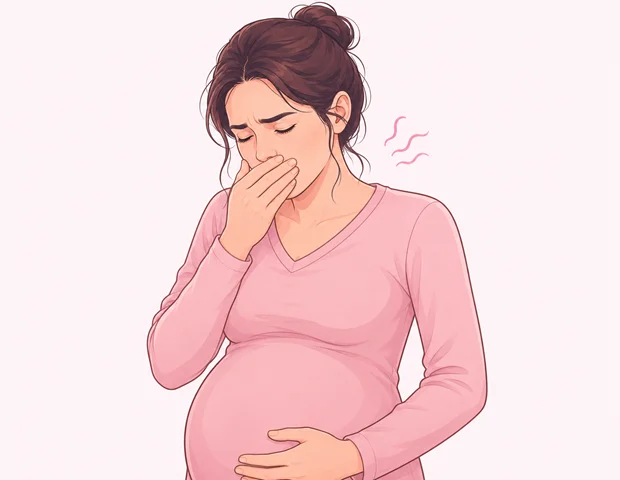
Typical morning sickness involves nausea and occasional vomiting that most people can manage with rest and dietary changes. Hyperemesis gravidarum involves persistent, severe vomiting that can lead to dehydration and require additional medical care well beyond a single sick leave certificate.
Typical morning sickness may be manageable with ordinary adjustments, while hyperemesis gravidarum can involve persistent vomiting, dehydration and a need for additional medical care. For the work question, the useful markers are the ability to keep fluids down, the effect of commuting or physical duties, and whether the person needs antenatal or hospital review.
Hydration changes the pathway
Inability to keep fluids down, or signs of dehydration, matter more than the label "morning sickness".
Job demands matter
Food preparation, strong smells, heat, long travel and physical work can magnify symptoms.
When certificate content is secondary
Severe pregnancy symptoms or warning signs need the appropriate pregnancy-care pathway first.
Small, plain meals eaten before hunger builds, room-temperature or cold food (which tends to smell less than hot meals), ginger in tea or food, and getting up slowly in the morning rather than jumping straight out of bed are commonly reported to help typical nausea. Keeping crackers or dry snacks by the bed for first thing in the morning is a well-known, low-effort strategy. None of this will help genuine hyperemesis, which needs medical management rather than dietary adjustment alone.
If you're unable to keep fluids down, feel faint, or your symptoms are worsening, seek in-person medical care rather than relying on a telehealth certificate alone.
A New South Wales population-based study of close to one million pregnancies, published in Acta Obstetricia et Gynecologica Scandinavica, found 2.3% of pregnancies involved a hospital or emergency presentation for hyperemesis gravidarum, and that women with a history of HG in a previous pregnancy faced a substantially higher risk of it recurring, climbing to around 55% by a third pregnancy. That's worth knowing if you've had it before and are wondering whether to expect it again.
For a broader look at morning sickness and work capacity, see the morning sickness and work capacity condition page. Pregnancy, Birth and Baby's guide to morning sickness covers managing symptoms and recognising hyperemesis.
OMC Health provides real-time consultations with AHPRA-registered GPs, 7 days a week. If the GP determines a certificate is clinically appropriate, it's emailed the same day, from 9.99.
Hyperemesis involves persistent vomiting severe enough to cause dehydration, weight loss or electrolyte imbalance, well beyond the nausea and occasional vomiting of typical morning sickness, and it usually needs medical management beyond home remedies.
Small, plain, room-temperature meals, ginger, and getting up slowly in the morning are commonly reported to help. These strategies won't manage genuine hyperemesis, which needs medical care.
Often, yes, particularly for recurrent or severe cases. A sick leave certificate covers a single episode of incapacity, not ongoing obstetric management.